
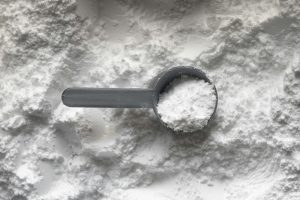
Creatine is the latest buzzword in fitness – but what is it, and do we need to take it as a supplement?
The facts:
Creatine is actually a natural substance that our bodies produce and store, mainly in our muscles. We also get small amounts from foods such as red meat and fish. While creatine has previously been associated with athletes and bodybuilders, growing research suggests it may offer important benefits as we age, particularly during perimenopause, menopause, and beyond.
One of the biggest concerns as we get older is the gradual loss of muscle mass and strength, known as sarcopenia. Hormonal changes during menopause can accelerate this process, making it harder to maintain muscle, mobility, balance, and overall physical function.
What does creatine actually do?
While dietary protein provides the building blocks our bodies use to build and maintain muscle, skin, hair, nails, and bone, creatine helps fuel short, explosive movements by supporting the muscles' immediate energy system.
You could compare creatine to firing a starting pistol. Without getting too scientific, creatine helps your muscles produce quick energy for short, powerful movements. During activities such as climbing stairs, getting up from a chair, carrying shopping, or lifting weights, your muscles burn through their immediate energy supply rapidly. Creatine helps replenish that energy, allowing you to maintain strength and power for a little longer.
What does the research say?
Research suggests that when creatine supplementation is combined with regular exercise—particularly resistance or strength training—it can help improve muscle strength, preserve lean muscle mass, and support mobility and physical function as we age.
There is also emerging evidence that creatine may have benefits beyond muscle health. Some studies suggest it could help support brain function, memory, cognitive performance, and mood, although more research is still needed in these areas.
Can anyone take it?
A standard daily dose of 3 grams of creatine supplementation has been widely considered safe for most healthy adults but it's important to remember that creatine is not a magic solution. It works best alongside a balanced diet, adequate protein intake, and regular physical activity. Think of it as one tool that may help support healthy ageing and maintain independence for longer.
People with kidney disease or existing kidney problems, renal dysfunction or diabetes should avoid creatine supplementation unless advised otherwise by their healthcare provider.
It is also advised that if you are pregnant or breastfeeding you should avoid creatine supplements due to a lack of long-term safety data in these groups.
If you have any medical condition, take medication, or are unsure whether creatine is right for you, consult a qualified healthcare professional before starting supplementation.
As always, supplements should complement—not replace—the foundations of good health: nutritious food, movement, sleep, and stress management.
For more diet and exercise support get in touch with us at Wellness Lincs.